


Контроль доступа через скоростные ворота: Как это работает, Протоколы интеграции, и как правильно это указать
2026-03-28


Контроль доступа через скоростные ворота работает путём соединения трёх компонентов — считывателя учетных данных, Панель контроля доступа (ACP), а также встроенный логический контроллер ворот — так что проверенные пользователи проходят менее чем за секунду, а несанкционированные входы срабатывают тревогу и автоматически закрываются. Система поддерживает четыре протокола интеграции: Реле сухого контакта, Виганд, RS485, и TCP/IP. Каждая из них служит разной платформе ACP и сценарию развертывания.
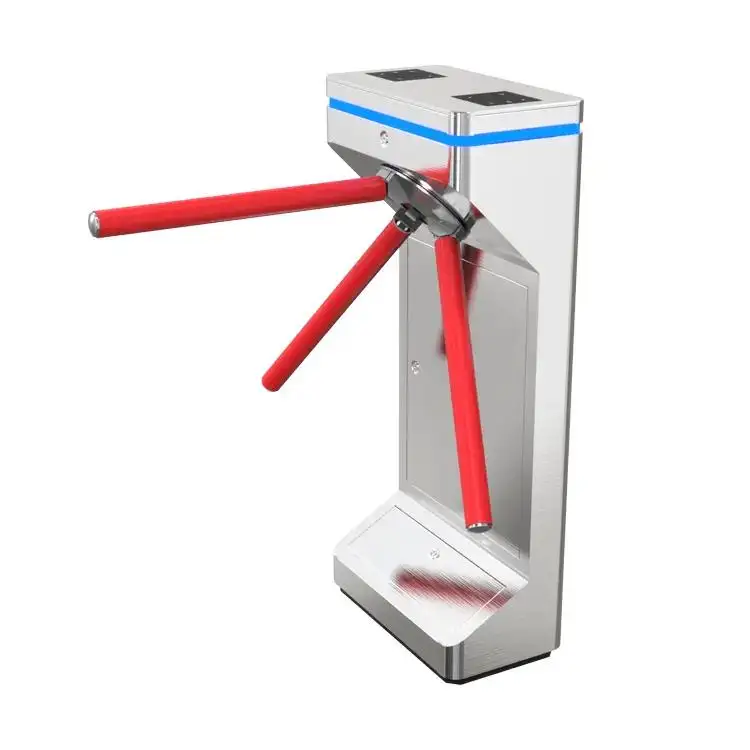
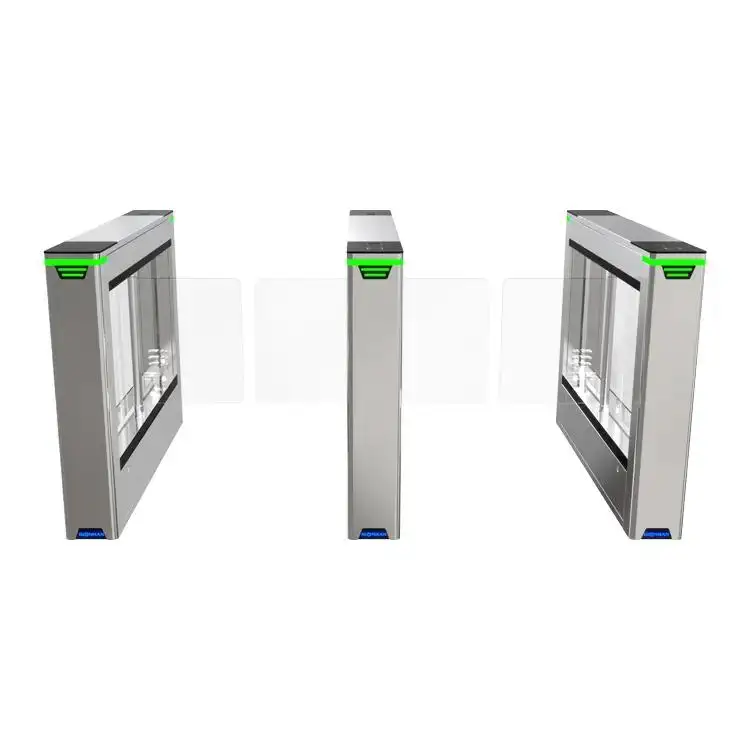
В этом руководстве объясняется полный путь сигнала интеграции, охватывает каждый тип протокола с контекстом совместимости, а также предоставляет ИТ-менеджерам и системным интеграторам 7-пунктовый чек-лист спецификаций для использования перед заказом. Начнем сполный диапазон турникетов скоростных ворот Ironman Чтобы сопоставить спецификации интеграции с продуктом до того, как обратиться в контакт.
Как работает управление доступом через скоростные ворота
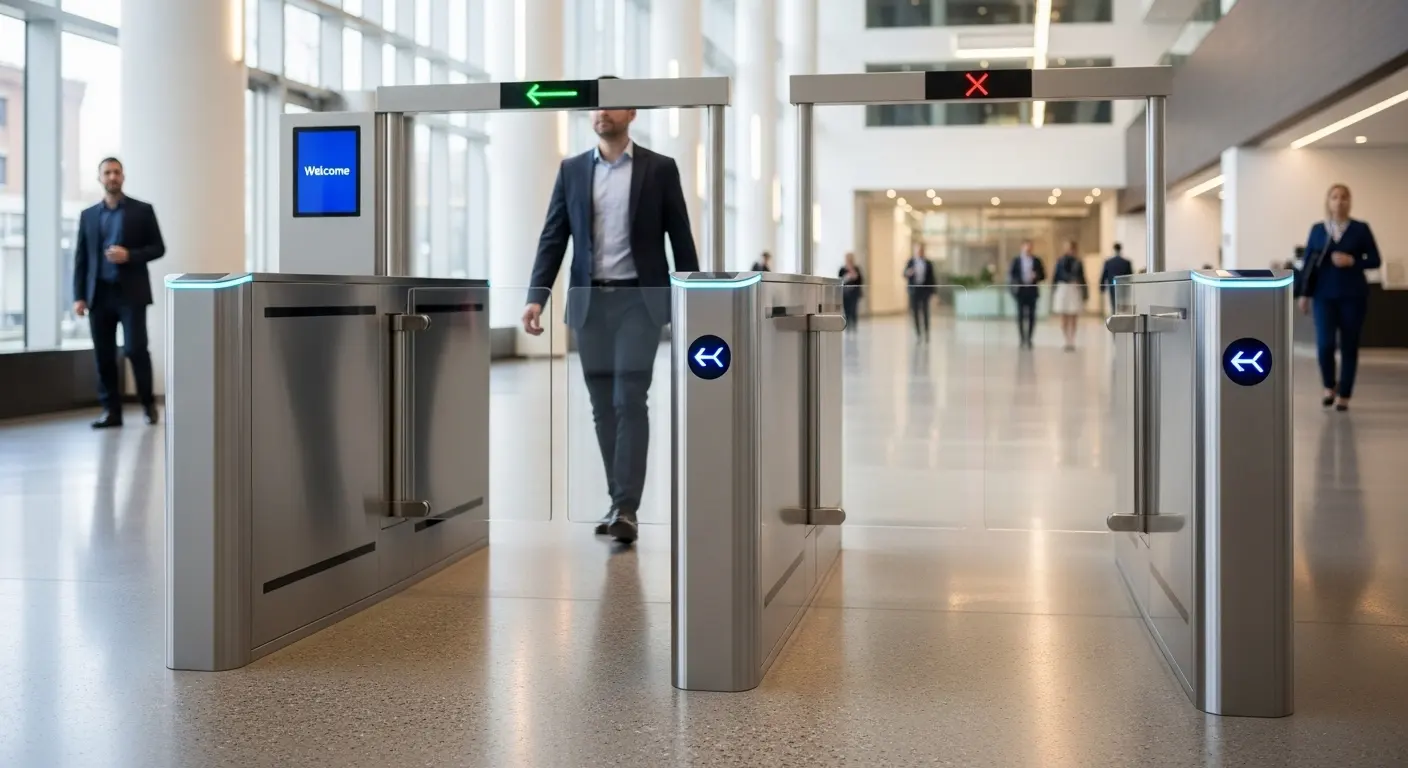
Управление доступом через скоростные ворота разделяет решение о доступе от работы физического барьера между двумя отдельными контроллерами. ACP проверяет личность. Контроллер затвора управляет физическим барьером. Понимание этого разделения лежит в основе каждого последующих решений по интеграции.
Путь сигнала интеграции
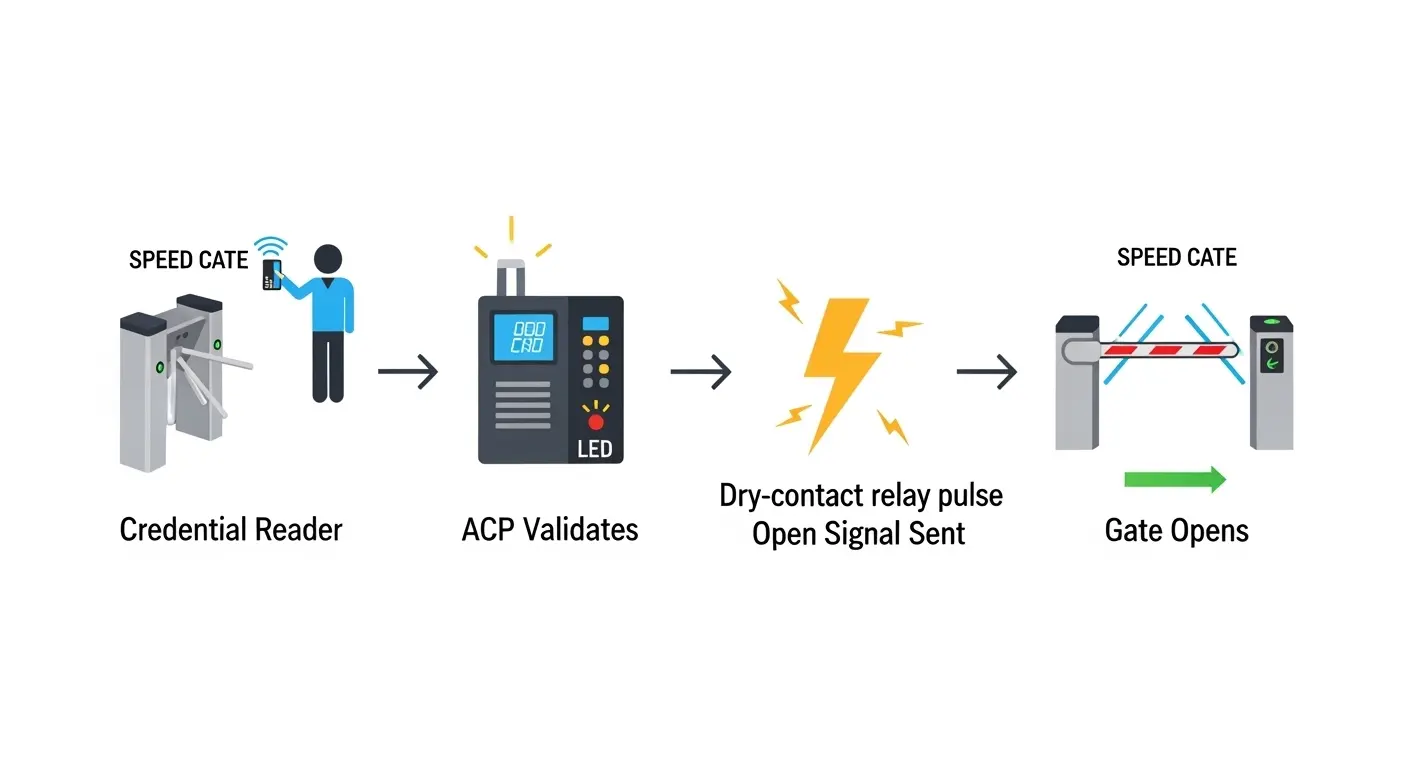
Вот полный пошаговый поток сигнала для каждого события доступа:
- Вручение квалификации: Пользователь представляет RFID-карту, сканирует QR-код, отправляет отпечаток пальца, или стоит перед терминалом распознавания лиц у считывателя выхода.
- Данные, отправленные в ACP: Читатель отправляет данные о аккредитации (Номер карты, Код объекта) через линию передачи данных Wiegand к панели управления доступом. Это относится к 0.2 товары второго сорта.
- ACP валидирует: ACP проверяет учетные данные по своей базе данных. Если разрешено, он посылает импульс сухоконтактного реле — "открытый" сигнал — к логическому контроллеру затвора.
- Контроллер вентиля берёт на себя управление: В тот момент, когда ворота принимают открытый сигнал, собственный бортовый контроллер работает независимо от ACP. Роль ACP заканчивается здесь.
- Барьеры открываются: Бесщеточный мотор постоянного тока активируется, и барьеры открываются за 0,4–0,8 секунды. Стрелки направления светодиодов переключаются на зелёный.
- Проход подтвержден: Оптическая сенсорная система фиксирует, когда пользователь освобождает полосу.
- Ворота закрываются и сбрасываются: Барьеры возвращаются в закрытое положение. Цикл завершается. Рекорд события — временная метка, Идентификатор удостоверения, переулок, направление, Результат авторизации — входит в программное обеспечение ACP.
Почему разделение контроля имеет значение
ACP обрабатывает идентичность. Контроллер вентилей отвечает за физику. Эта конструкция имеет два практических последствия для системных интеграторов.
Первый, вы можете улучшить оборудование ворот, не трогая ACP, и обновить программное обеспечение ACP, не трогая гейт. Секунда, Функции безопасности ворот — противощипка, Анти-тейлгейтинг, и аварийный режим аварийного режима — управление от собственного контроллера ворот. Они работают даже когда ACP офлайн или сеть отключается.
Протоколы интеграции — что поддерживают скоростные шлюзы
Системы контроля доступа через скоростные ворота поддерживают четыре протокола интеграции. Правильный выбор зависит от вашей существующей платформы ACP, Типы удостоверений квалификации, которые вам нужны, и требуется ли управление облаками в реальном времени.
| Протокол | Тип сигнала | Совместимость с ACP | Лучшее для |
|---|---|---|---|
| Реле сухого контакта | Только импульс напряжения (Открыть/закрыть) | Universal — каждый бренд ACP | Устаревшие системы, Простая модернизация |
| Wiegand 26/34-бит | Данные о квалификациях (Номер карты + Код объекта) | HID, Honeywell, Ленел, Genetec, Большинство брендов | Стандартные развертывания RFID-карт |
| RS485 | Последовательные двунаправленные данные | Многозатворные панельные системы | Многополосные вестибюли, Развертывания, управляемые панелями |
| TCP/IP | Сетевые данные (LAN/облако) | Облачный ACP, Системы распознавания лиц | Удалённое управление, Распознавание лиц, Многоплощадочный |
Реле с сухим контактом — универсальный метод интеграции
Реле с сухим контактом — это простой импульс напряжения — обычно 12 В или 24 В постоянного тока — который сигнализирует затвору открыть. По этому соединению не проходят данные учетных данных. Затвор получает одну инструкцию: Открыть или закрыть.
Это делает сухоконтактное реле совместимым с любым ACP с выходом реле, включая устаревшие системы, появившиеся до появления цифровых протоколов. По нашему опыту 3,000+ Развертывания ворот, Сухоконтактное реле решает проблемы совместимости в OVER 90% сценариев модернизации, где существующий ACP не поддерживает нативно RS485 или TCP/IP.
Протокол Виганда — стандартный путь интеграции данных
Виганд передаёт данные уверительных данных в виде цифрового сигнала от считывателя к ACP. Wiegand 26-битный стандарт — это старый стандарт с ограниченным диапазоном номеров карт, подходящий для малых и средних объектов. Wiegand 34-битный поддерживает большие популяции карт и является рекомендуемым форматом для корпоративных и корпоративных развертываний.
Ассоциация ценных бумаг (SIA) сохраняет Виганд как открытый стандарт, то есть совместимые с Wiegand считыватели любого производителя будут работать с любым ACP с поддержкой Wiegand.. Проверьте точный формат бита, который ожидает ваш ACP, прежде чем выбирать считывателя. Несовпадающие форматы Виганда — 26-битный считыватель, подключённый к 34-битной конфигурации ACP — являются самой распространённой ошибкой интеграции в проектах скоростных ворот.
RS485 и TCP/IP
RS485 — это последовательный протокол «точка-многоточка», который подключается к 32 Элементы на шину к одной панели управления. Он поддерживает двусторонние данные, то есть элемент может отправлять данные событий обратно на панель в реальном времени. RS485 является предпочтительным протоколом для многополосной установки лобби, управляемых с одной рабочей станции безопасности.
TCP/IP подключает гейт напрямую к локальной сети или WAN объекта. Это позволяет проводить мониторинг в реальном времени с облачной панели управления, Изменения конфигурации удалённого доступа, и управление несколькими площадками с одной платформы. TCP/IP необходим для терминалов распознавания лиц, поскольку эти устройства передают полные данные подтверждения личности, Не просто номер карты.
Типы учетных данных для управления доступом через скоростные ворота
Тип учетных данных определяет аппаратное обеспечение считывателя, Протокол интеграции, и уровень безопасности системы. Сопоставьте тип учетных данных с политикой безопасности вашего учреждения и поддерживаемыми ресурсами ACP перед указанием.
| Тип удостоверения | Протокол | Уровень безопасности | Лучшее для |
|---|---|---|---|
| RFID-карта (Виганд 26/34) | Виганд | Терпимая | Корпоративные офисы, Университетов |
| Биометрический отпечаток пальца | RS485 или TCP/IP | Высокий | Здравоохранение, финансировать, правительство |
| Терминал распознавания лиц | TCP/IP | Очень высоко | Многопрофильная корпорация, Транспортные узлы |
| QR-код / штрихкод | Сухой контакт или TCP/IP | Терпимая | Посетителей, Билетов, События |
| NFC / Мобильный удостоверительный номер | Wiegand или TCP/IP | Средне-высокий | Современные офисы, гостеприимство |
| Клавиатура PIN-кода | Виганд | Низкий-средний | Вторичная проверка, Небольшие офисы |
Для большинства корпоративных развертываний, RFID-карта через Wiegand 34-bit — практическая отправная точка. Он обеспечивает широкую совместимость с ACP, Недорогие удостоверения, и подтверждённая надёжность на тысячах установок.
Распознавание лиц требует интеграции с TCP/IP и базы данных идентичности — либо облачной, либо локальной. Это правильный выбор, когда двухфакторная верификация (Card Plus Face) обязательно, Например, в финансовых торговых залах или в государственных охраняемых зонах.
Сценарии управления посетителями обычно используют QR-коды, сгенерированные программной платформой. Посетитель получает QR-код по электронной почте. Они сканируют его на считывателе выхода по прибытии. Физическая карта не выдаётся и не отслеживается.
Ключевые функции безопасности в Speed Gate Access Control
Системы контроля доступа через скоростные ворота включают три функции безопасности, выходящие за рамки простого управления барьером с открытием и закрытием. Каждый из них требует решения по конфигурации, которые необходимо принять до установки.
Обнаружение антихвостового движения
Антитейлгейтинг обнаруживает второго человека, входящего в зону обнаружения, до того, как ворота сбросятся после разрешённого прохода. Матрица пар инфракрасных датчиков — обычно 4–16 пар на полосу — создаёт сетку обнаружения по всей длине полосы.
Когда второе тело входит в зону обнаружения без действительного события подтверждения, система срабатывает тревогу и автоматически закрывает барьеры. Сигнализация может подключаться к рабочей станции безопасности через релейный выход, Отправка оповещения в реальном времени с номером полосы и временной меткой сотрудникам охраны на месте.
В нашем госпитальном развёртке скоростных ворот, Анти-тейлгейтинг был основным требованием к безопасности клиента. Система регистрировала 100% о попытках провести tailgating в первом 30 Дни без ложноположительных результатов по всему миру 6 Полос.
Fail-Safe и fail-secure режимы
Конфигурация режима отказа — это требование соответствия требованиям, Это не предпочтение. Каждая полоса выхода должна быть настроена в режиме аварийной безопасности.
Аварийная защита (обычно открыт): Барьеры полностью убираются и остаются открытыми при отключении питания или поступлению сигнала пожарной тревоги. Это оставляет выход свободным для эвакуации и встречает NFPA 101 Требования Кодекса безопасности жизни для выходных путей. Fail-safe — это обязательная конфигурация для любой полосы, по которой люди выходят из здания в экстренных ситуациях.
Fail-secure (Обычно замкнутый): Барьеры остаются закрытыми во время отключения электроэнергии. Этот режим подходит только для невыходящих полос с высоким уровнем безопасности — внутренней защищённой двери, например, где предотвращение несанкционированного проникновения во время инцидента является приоритетом.
Гейты Ironman поддерживают оба режима через конфигурацию контроллера. Для переключения между режимами не требуется изменение аппаратного обеспечения. Подтверждайте правильный режим для каждой полосы на этапе проектирования, Не после установки.
Журналирование аудитских следов и событий
Каждое событие доступа создаёт запись журнала: Временная метка, Идентификатор удостоверения, Номер полосы, направление (Вход/выход), и результат авторизации — пропустите или отклоните. Эти данные поступают в программное обеспечение ACP в реальном времени для Wiegand, RS485, а также системы с подключённостью TCP/IP.
Для регулируемых сред — здравоохранение, финансировать, Правительство — подтвердите, что период хранения журналов и формат экспорта соответствует вашим требованиям соответствия. Стандартные форматы экспорта — CSV и PDF. Системы, подключённые к TCP/IP, дополнительно поддерживают подключения API к платформам для HR посещаемости и программным обеспечением для управления посетителями.
Управление доступом через скоростные ворота в реальных развертываниях
Решения по спецификациям выглядят иначе, когда они реализуются в реальных проектах. Эти три примера показывают, как вышеуказанные варианты архитектуры интеграции трансформируются в установленные системы.
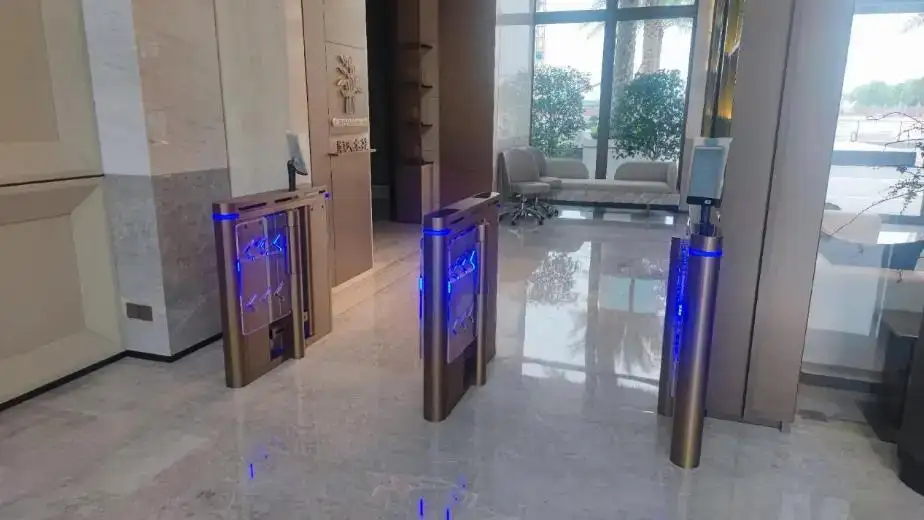
Лобби корпоративного офиса — Великобритания: 6-полосная установка скоростных ворот Ironman, интегрированая с существующей панелью управления доступом на базе RS485. Монтажная команда завершила полную прокладку электропроводки, конфигурация, и ввод в строй за один 8-часовой рабочий день. Пиковая утренняя пропускная способность: 480 Участие в первом 30 Минуты через 6 Дорожки — 80 Количество участников по полосе, в пределах 25–55 человек в минуту. См.Кейс-стади управления доступом к скоростным воротам в Великобритании для полных деталей конфигурации.
Больница — соблюдение требований в здравоохранении: Скоростные шлюзы настроены в режиме аварийной безопасности с биометрическими сканерами отпечатков пальцев, интегрироваными через Wiegand 34-bit — необходимые для журналов аудита доступа к клиническим районам. Выход сигнализации против хвоста подключается к панели безопасности пункта престарелых через реле. Ознакомьтесь сКейс-стади по скоростным воротам больницы для специфик конфигурации соответствия.
Университетский кампус: RFID-карта и конфигурация с двойным учётным кодом для доступа студентов и посетителей. Два отдельных типа полос: студенческие дорожки только с карточками и дорожки для посетителей с QR-кодами — обе управляются с одной панели ACP. TheСтраница ворот контроля доступа к кампусу Показывает полную многоступенчатую конфигурацию, используемую для пикового утреннего потока пешеходов.
Как определить управление доступом через скоростные ворота для вашего проекта
The 7 Вопросы ниже охватывают каждую переменную интеграции, влияющую на выбор аппаратного обеспечения, Выбор протокола, и объём установки. Ответ на них до обращения с поставщиком устраняет самую частую причину доработки после доставки.
Чек-лист интеграции перед покупкой
- Марка и модель ACP: Какая панель управления доступом уже установлена (или запланировано)? Подтвердите тип выхода реле и родную поддержку протокола — Виганд, RS485, TCP/IP, Сухой контакт, или их комбинация.
- Формат Виганда: Ваш ACP использует Wiegand 26-битный или 34-битный? Если вы не уверены, Проверьте документацию ACP или спросите у вашего поставщика ACP перед тем, как продолжать работу.
- Тип квалификации: RFID-карта, биометрический, Распознавание лиц, QR-код, NFC, или многофакторный? Каждый тип учетных данных требует конкретного считывателя и определяет путь протокола интеграции.
- Количество полос и планировка: Сколько всего полос? Однонаправленное движение (Только вход, Только выход) или двунаправленный? Стандартная ширина полосы (550–600 мм) или широкой/ADA полосе (850–1 000 мм)?
- Режим неудач по полосе: Каждая полоса находится на маршруте выхода из здания? (Требуется аварийная защита) или контролируемую невыходящую полосу (Fail-secure приемлемо)? Укажите по полосе, не по участку.
- Требование к максимальной пропускной способности: Каково ожидаемое пиковое количество входов в день на одну полосу?? Ниже 500 в день: Стандартная модель. 500–1 500 в день: Бесщёточный мотор среднего класса. Более 1 500 в день: Модель с высокой пропускной способностью.
- Окружающая среда и рейтинг интеллектуальной собственности: Внутренние помещения со стандартным IP54, или частично на открытом воздухе, требуя IP65? Требуется индивидуальная отделка шкафа?
Получение стоимости спецификации проекта
Отправьте их 7 предметы для команды Ironman черезСтраница запроса по воротам скоростной полосы для получения полной детализированной спецификации — включая схему проводки протокола, Рекомендации по конфигурации полосы, и цена — внутри 12 Часы работы. Для развертывания с большим объемом или высокой безопасности, также ознакомьтесь сХарактеристики высокопроизводительных скоростных элементов Перед подачей запроса.
Часто задаваемые вопросы
Q1: Как работает управление доступом через скоростной вентиль?
Контроль доступа через скоростные ворота работает в три этапа. Первый, считыватель учетных данных отправляет данные пользователя в Панель управления доступом (ACP) через Виганд или RS485. Секунда, ACP подтверждает учетные данные и отправляет реле сухого контакта "открытый" сигнал на логический контроллер затвора. Третий, Контроллер затвора активирует мотор и открывает барьеры за 0,4–0,8 секунды, независимо от ACP. ACP занимается подтверждением личности; Контроллер затвора управляет физическим барьером. Это разделение означает, что функции безопасности затвора работают даже при отключении сети ACP.
Q2: Какие системы контроля доступа совместимы с скоростными шлюзами?
Скоростные элементы с сухим реле-выходом совместимы со всеми брендами ACP — включая HID, Honeywell, Ленел, Genetec, Bosch, и все устаревшие системы, обеспечивающие ретрансляционный контакт. Для интеграции данных Виганда, Подтвердите битовый формат (26-бит или 34-битный) соответствует вашей конфигурации ACP. RS485 и TCP/IP соединения совместимы с брендами ACP, которые поддерживают эти протоколы нативно, включая HID и Honeywell. На практике, Ironman Speed Gate интегрированы со всеми основными платформами ACP 50+ Стран.
Вопрос 3: Может ли скоростной гейт подключиться к моей существующей панели управления доступом??
Да, практически во всех случаях. Если у вашего текущего ACP есть релейный выход, Интеграция с сухим контактом будет работать с любым скоростным шлюзом, независимо от бренда или протокола. Если ваш ACP поддерживает Wiegand, RS485, или TCP/IP, Возможна более продвинутая интеграция данных. Единственная необходимая предварительная проверка — подтверждение формата бита Виганда, если вы используете протокол Виганда — проверка этого занимает две минуты в документации ACP. Свяжитесь с Ironman, сообщите марку и модель вашего ACP, и инженерная команда подтвердит путь интеграции до заказа.
Q4: Как работает антитейлгейтинг в системе контроля доступа через скоростные ворота?
Антитейлгейтинг использует сетку из пар инфракрасных датчиков — обычно 4–16 на полосу — чтобы определить, входит ли второй человек в зону обнаружения после разрешённого события подтверждения, но до повторного закрытия ворот. Если обнаружено второе тело, Система срабатывает сигнал тревоги и автоматически возвращает барьеры в закрытое положение. Опциональный выход ретранслятора тревоги отправляет оповещение в реальном времени на станцию мониторинга безопасности. Обнаружение антихвостового движения работает с собственного бортового контроллера гейта и работает независимо от связности с ACP.
Q5: Что такое интеграция с сухим контактом в скоростном элементе?
Интеграция с сухим контактом — самый простой метод интеграции скоростных элементов. Панель управления доступом посылает импульс напряжения (обычно 12 В или 24 В постоянного тока) через два провода к пульту управления ворот. Этот импульс передаёт одну инструкцию: Откройте барьеры. По этому соединению не проходят данные учетных данных — ACP хранит все идентификационные данные внутри. Сухой контакт универсально совместим со всеми брендами ACP и всеми устаревшими системами, поскольку затвор должен принимать только импульсный сигнал, не интерпретировать протокол данных. Это рекомендуемый метод интеграции для проектов модернизации, где изменение существующего ACP невозможно.
Вопрос 6: Какие сертификаты должна иметь система контроля доступа через скоростные ворота?
Минимум, требуется маркировка CE (Стандарт безопасности ЕС), Соблюдение RoHS (Ограниченные опасные вещества), и ISO 9001 Сертификация управления качеством. Для IP-рейтинга, требуется IP54 для стандартных внутренних установок и IP65 для наружных или полунаружных установок — подтверждено в IEC 60529. Для развертываний в США, Часть FCC 15 Соблюдение требований для электронных компонентов. Для здравоохранения, правительство, или проекты финансового фонда, подтвердить, что интеграция на стороне ACP соответствует любым требованиям соответствия в соответствии с конкретными секторами (HIPAA, ФИЗИКА, или PCI-DSS по мере применения) — само оборудование затвора не подпадает под эти стандарты, Но архитектура логирования событий доступа и обработки данных — это.
Три решения, определяющие успешную интеграцию
Три варианта определяют, будет ли проект управления доступом через скоростные ворота устанавливаться чисто или требует переработки после сдачи. Выберите правильный протокол интеграции для вашего ACP. Настройте формат бита Виганда так, чтобы он соответствовал вашей текущей конфигурации. Настраивайте режимы отказов по полосе на основе требований к выходу — а не как единую настановку для всего сайта.
Корабли Ironman 100,000+ Ежегодно устанавливают скоростные ворота для проектов по всему корпоративному сектору, здравоохранение, кампус, и транспортные секторы в 50+ Стран. Инженерная команда предоставляет детализированные спецификации, Протокольные схемы проводки, и инструкции по конфигурации в режиме отказа — все включены в стандартную оценку проекта.
Отправьте свой чек-лист из 7 пунктов через Страница контроля доступа через скоростные ворота Ironman а также получите полную спецификацию и ценовую котировку внутри 12 Часы работы.
