


Турникет против пропуска: Как работает APB, Типы и какие врата вам действительно нужны
2026-04-07


AnТурникет против обратного прохода решает конкретную проблему контроля доступа, которую стандартный считыватель значков не может обнаружить сам по себе. Один человек сканирует их удостоверение и проходит через него. Затем они возвращают свою карту доступа — через щель, под барьером, или выйдет обратно через полосу — и второй человек использует её, чтобы снова войти в ту же зону. Ворота не имеют ни малейшего понятия. Учетная запись была действительна оба раза.
Вот в чём разрыв иТурникет против обратного прохода Закрывается. Он отслеживает последовательность входа/выхода для каждого удостоверения, Не только только, действительна ли карта. В этом руководстве подробно объясняется, как это работает на аппаратном и программном уровне, различные доступные режимы APB, Какие типы вентилей лучше всего это поддерживают, И как понять, действительно ли ваш объект нуждается в этом.
Что такое турникет против возврата?
AnТурникет против обратного прохода — это система ворот, которая обеспечивает определённую последовательность входа-выхода для каждого учетного данных доступа. Система записывает все "в" Свайп и все "вне" Свайп. Для второго свайпа в записи — успешный, В удостоверении сначала должен быть зафиксирован выход. An "in-in" Последовательность — дважды вход в зону без записанного выхода между этими моментами — запускает автоматический отказ, и ворота остаются закрытыми.
Термин "Пасбэк" происходит из физического акта: Человек сканирует на турникете, Прогулки, затем передаёт свою карту кому-то снаружи. Второй человек затем пытается использовать ту же карту в той же точке входа. Без розыска, Карта выглядит действительной. С помощью APB, Контроллер знает, что учетная запись уже зарегистрирована как "внутри" — и немедленно блокирует попытку.
Ключевое отличие от стандартного доступа заключается в следующем: Базовый турникет проверяет идентичность. AnТурникет против обратного прохода проверяет как идентичность, так и текущее состояние местоположения. Для этого дополнительного слоя требуется специальное оборудование — считыватель на входной стороне, Читатель на стороне выхода, и контроллер, созданный для отслеживания и обеспечения логики последовательности. Железный человекПанель управления доступом (Модель IM.EA. MY06) Поддержка двойных считывателей карт, Встроенная логика против обратной передачи, и вместимость 45 000 карт — именно то, что требуется для правильно настроенной системы APB.
Как работает противопроходящий проход на турникетах
Понимание аппаратной конфигурации предотвращает самые дорогие ошибки против обратной передачи. Технология становится простой, если увидеть, как работают эти три компонента вместе.
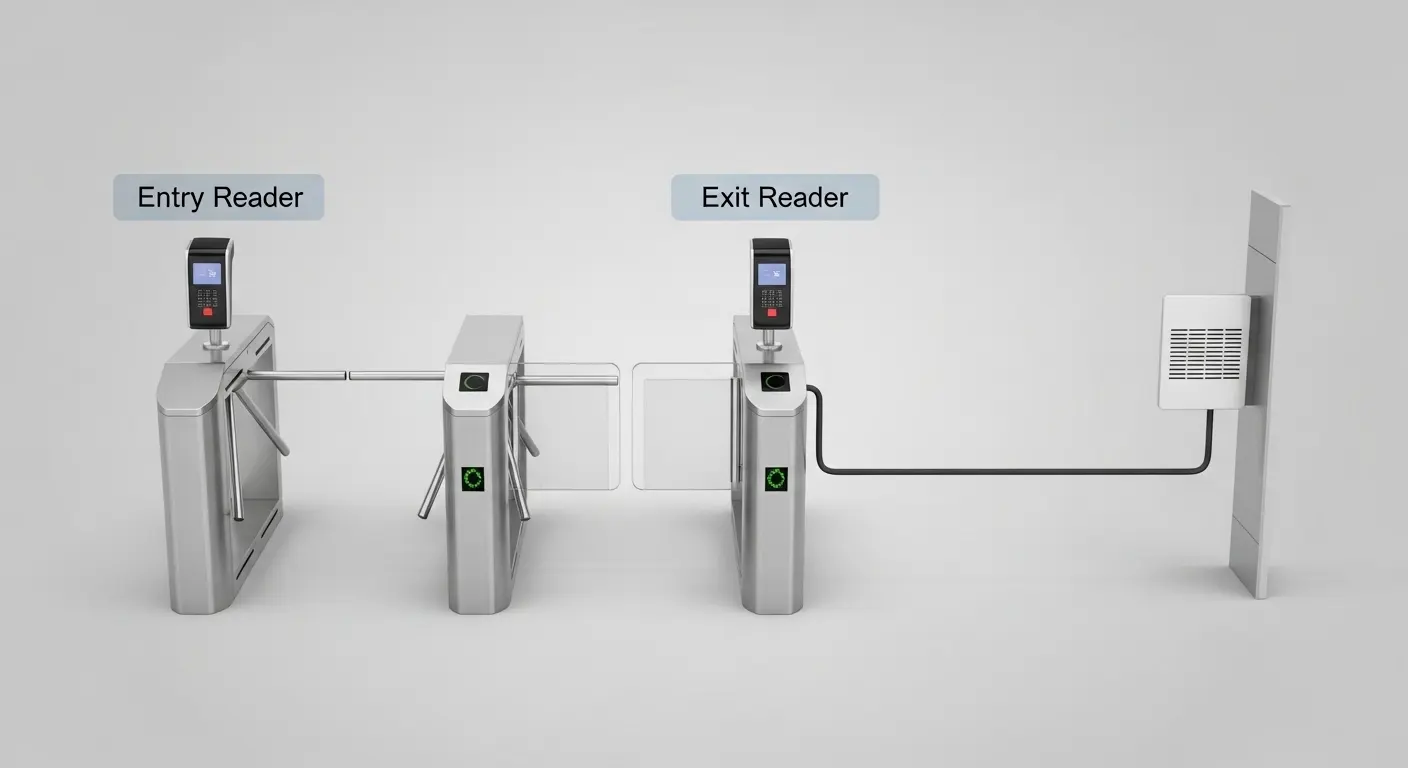
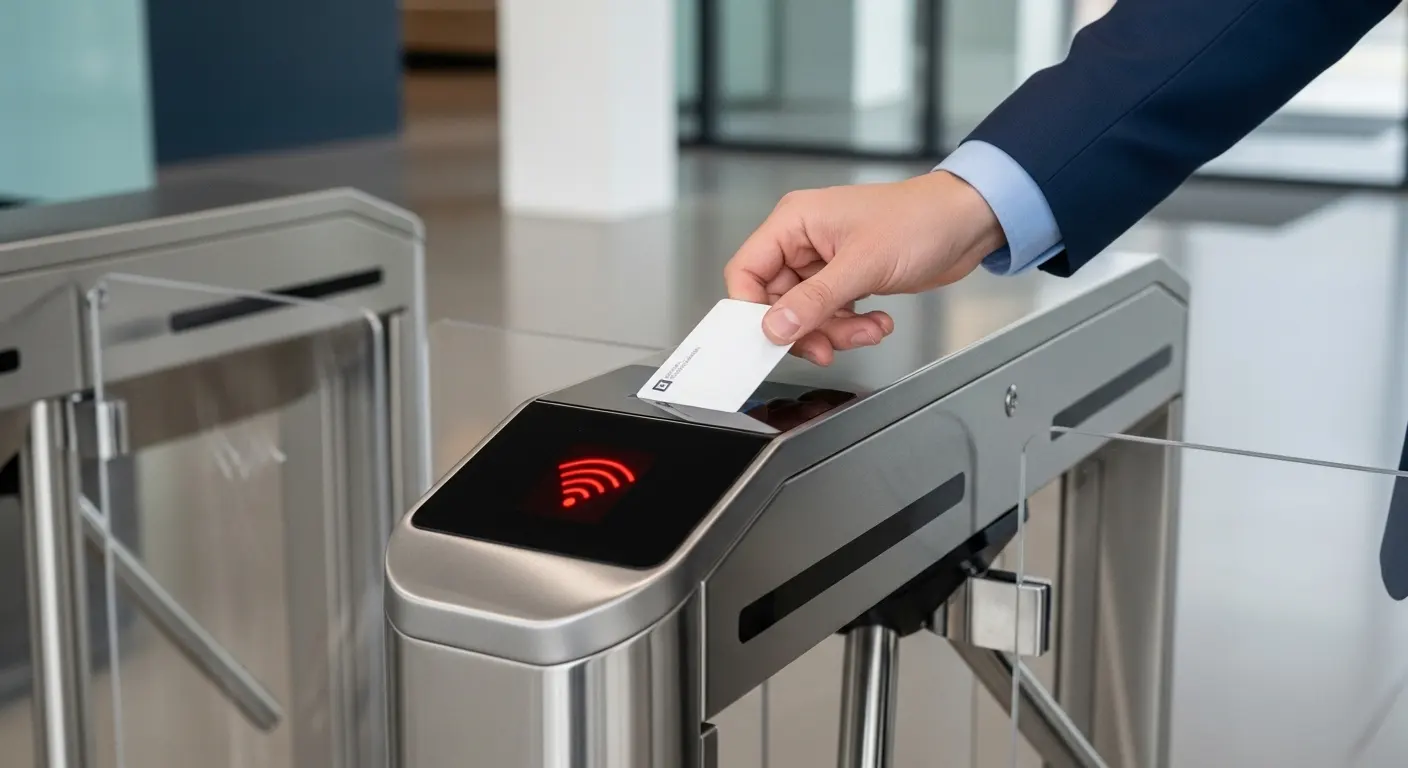
Шаг 1 — Удостоверение документов, предъявляемое на сайте записи. Система записывает удостоверение как "в" и фиксирует временную метку. Ворота открываются. Теперь контроллер отмечает состояние этого учетного данных как "внутри зоны."
Шаг 2 — Удостоверение документов предоставлено на выходном считывателе. Система записывает удостоверение как "вне." Контроллер обновляет состояние учетных данных на "Снаружи." Теперь этот удостоверитель снова можно использовать в считывателе записей.
Шаг 3 — Вторая попытка входа без выходного свайпа. Контроллер проверяет состояние учетных данных — "внутри" — и отказывает в просьбе. Ворота остаются закрытыми. Одновременно, Система отправляет оповещение на панель управления. Администратор видит нарушение в реальном времени, с идентификатором аккредитации, Временная метка, и расположение ворот, прикреплённых.
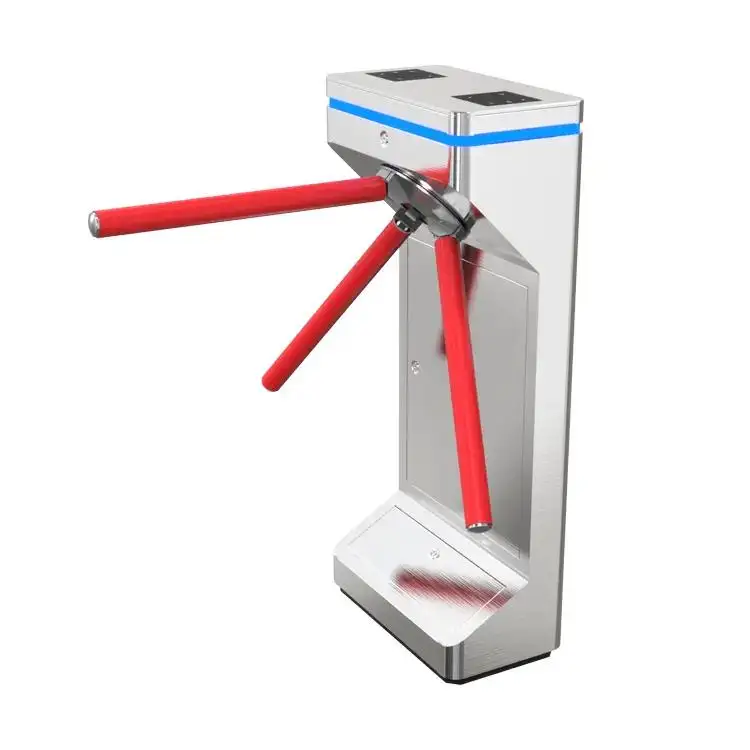
Чтобы это надёжно работало на турникете, Одиночный отрывок необходим. TheВорота турникета с клапанами Это справляется естественно — ширина прохода 550 мм обеспечивает движение по одному человеку за раз, что поддерживает чистое сопоставление квалификаций с личным лицом. Панель доступа Ironman подключается к гейту через RS485 или TCP/IP, с офлайн-хранением до 21,000 записи — поэтому логирование APB продолжается даже во время перебоев в сети.
Типы режимов противодействия обратному проходу для турникетных систем
Антипассбэк — это не единая фиксированная настройка. Большинство платформ контроля доступа поддерживают четыре отдельных режима APB, каждый из них подходит для разного уровня безопасности и операционной среды. Неправильный выбор режима для вашего объекта создаёт либо пробелы в безопасности, либо ежедневное раздражение пользователей.
Жёсткий Анти-Пасс
Самый строгий режим. Если у системы есть удостоверение с пометкой как "внутри," Этот удостоверительный номер отклоняется на считывателе записи, Без исключений. Гейт остаётся заблокированным, пока администратор вручную не сбросит состояние учетных данных или пользователь не выйдет и не спроведёт своё движение.
Этот режим подходит для самых высокобезопасных сред: Центры обработки данных, Фармацевтическое хранение, Государственные охраняемые зоны, и финансовые хранилища. Операционный минус реальн — любой выход, не связанный с выходом (аварийная дверь, Открытый пожарный выход, Отключение электроэнергии) Оставляет удостоверения данных застрятой в "внутри" Штат. Без чёткого процесса сброса администратора перед запуском, Это превращается в ежедневные запросы на службу поддержки.
Мягкий Анти-Пасс
Ворота открываются даже при нарушении APB, но система фиксирует событие и отправляет уведомление администратору. Сотрудники службы безопасности видят нарушение в реальном времени и могут расследовать ситуацию, не позволяя пассажирам физически отказать во входе.
Soft APB хорошо работает в офисных зданиях, Университетов, и фитнес-центры, где настоящие пропуски пропуска значка обычны — кто-то забывает провести свайп, возвращается к своему столу, А потом не сможет снова войти в зал. Мягкий режим фиксирует паттерны обмена учетными данными со временем, не наказывая случайные промахи в моменте.
Тайм-Анти-Пассбэк
Удостоверение блокируется на установленное временное окно после входа — обычно 5 Кому 30 минуты — затем автоматически сбрасывается без необходимости свайпа при выходе. Этот режим решает "забыл свайпнуть" Проблема чисто. После истечения таймера, Удостоверение снова работает нормально.
Таймер APB хорошо подходит для средних сред безопасности: Корпоративные кампусы, Магазинные офисные зоны, а также в спортзалах, где обмен удостоверениями является реальным риском, но организованная атака на пропуск удостоверений — нет.
Площадь и вложенный анти-пасс
Area APB обеспечивает зональное секвенирование. Чтобы войти в зону 2, Удостоверение должно содержать зафиксированную запись в Зоне 1 первый. Вложенный APB расширяет эту логику на несколько зон в строгом порядке.
На практике, Это значит, что кто-то не может получить доступ к серверной комнате внутри здания, если он уже не прошёл через главный вход. Каждый переход между зонами фиксируется, создание точной записи в реальном времени о том, где находится каждый носитель удостоверения в любой момент времени. Для объектов с соблюдением требований по отслеживанию заселенности — журналы пожарной безопасности, Регуляторные аудиты, Требования к страхованию — это конфигурация, которая обеспечивает наиболее полный аудит.
Анти-пассбэк против. Анти-Тейлгейтинг: В чём разница?
Менеджеры по безопасности часто воспринимают эти две функции как одно и то же. Это не так, А развёртывание только одного оставляет реальный пробел в системе контроля доступа.
Анти-пассбэк работает на уровне программного обеспечения. Он фиксирует совместное использование учетных данных — одна физическая карта дважды предъявляется на одном и том же считывателе до записи выхода. Ворота закрываются, когда происходит вторая попытка свайпа. Угроза — мошенничество с учётными данными.
Антитейлгейтинг работает на аппаратном уровне. Он фиксирует физическое преследование — второго человека, проходящего через открытые ворота за уполномоченным пользователем, без предъявления удостоверения. Ворота активно открыты во время угрозы. Железный человекантихвостовые ворота AB турникетов использует двухзонное инфракрасное обнаружение для фиксации этого в реальном времени, выстреливая в режим повторного захвата и тревоги в момент входа второго тела в зону прохода.
Короче говоря: Анти-пассбэк останавливает мошенничество с учётными данными. Антитейлгейтинг предотвращает физическое вторжение. Они нацелены на разные векторы угроз, и полностью защищённая точка входа проходит параллельно. Сайт с только APB всё ещё допускает физическую подписку. Сайт с датчиками против хвоста всё равно позволяет человеку с дублированным или заимствованным учетным данным войти дважды.
Какие типы турникетных ворот лучше всего работают с анти-пассом
Anti-passback — это функция, поддерживаемая программным обеспечением, но аппаратное обеспечение затвора определяет, насколько надёжно он работает в реальных условиях эксплуатации. Однорядный пассаж, Крепление с двойным считывателем, и совместимость контроллеров влияют на то, будет ли соблюдение APB чистым ежедневно.
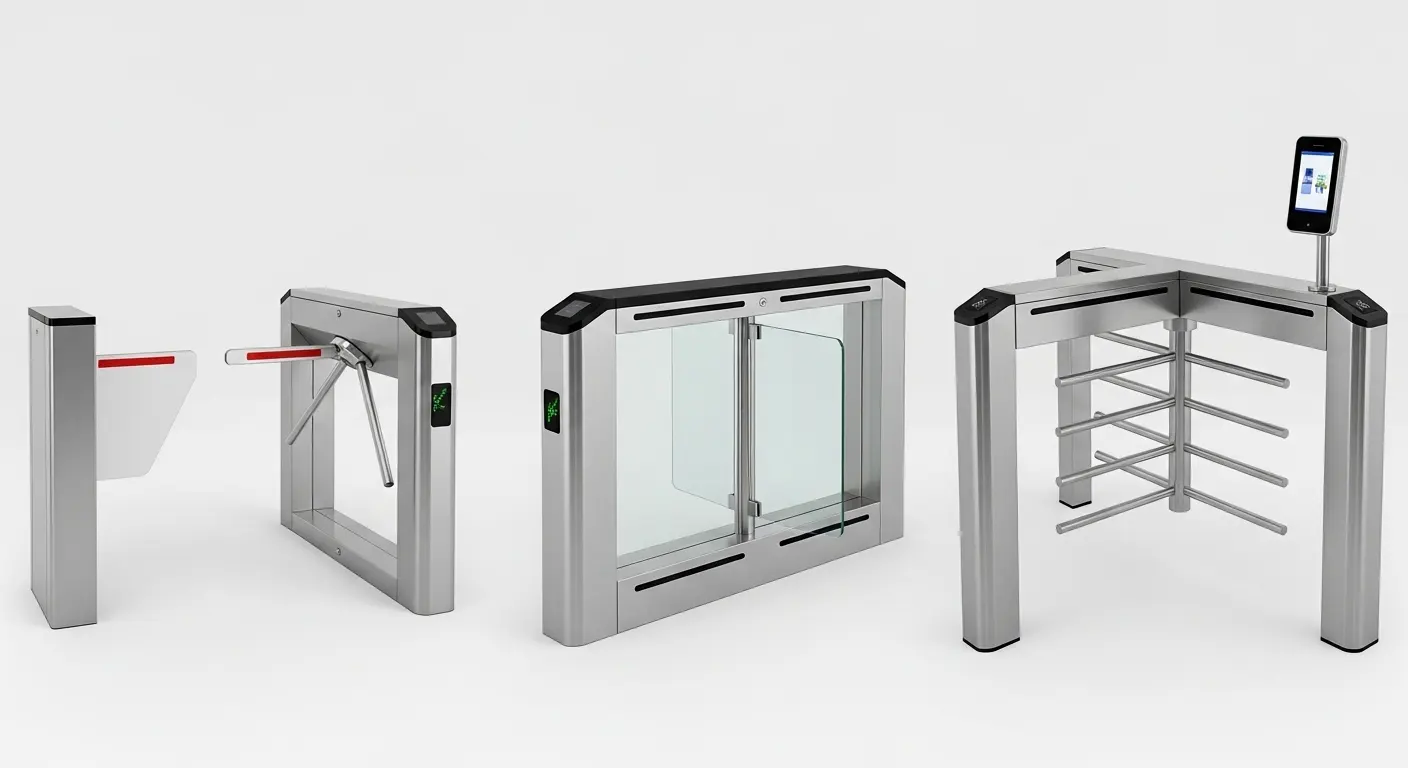
Ворота с закрылками
Самые широко используемыеТурникет против обратного прохода Аппаратное обеспечение в корпоративной и студенческой среде. TheВорота турникета с клапанами Поддерживает установку двойного считывателя на входе и выходе, проходит до 40 Человек в минуту, и обеспечивает перемещение по одному файлу, что обеспечивает однозначное сопоставление учетных данных с человеком. Её сетка инфракрасных датчиков из 6 пар также фиксирует попытки принудительного входа и хвоста вместе с логикой APB — оба уровня работают одновременно.
Умные ворота скорости
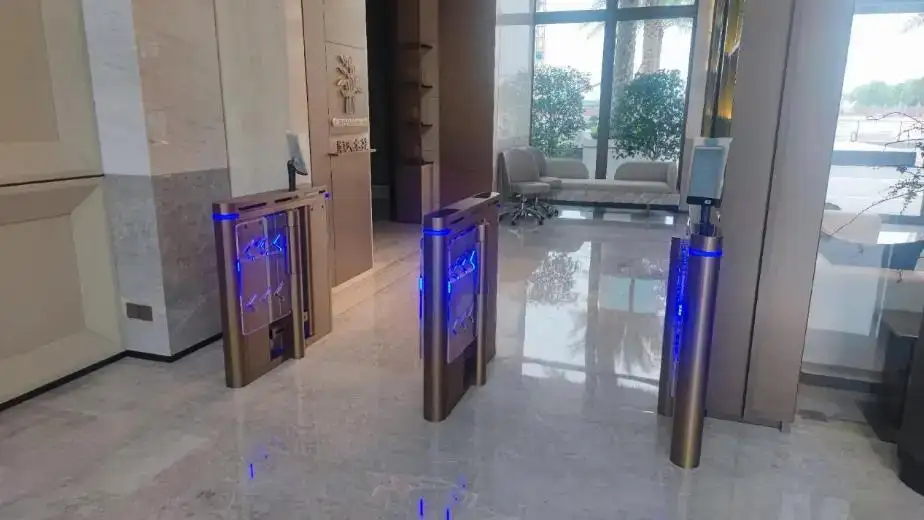
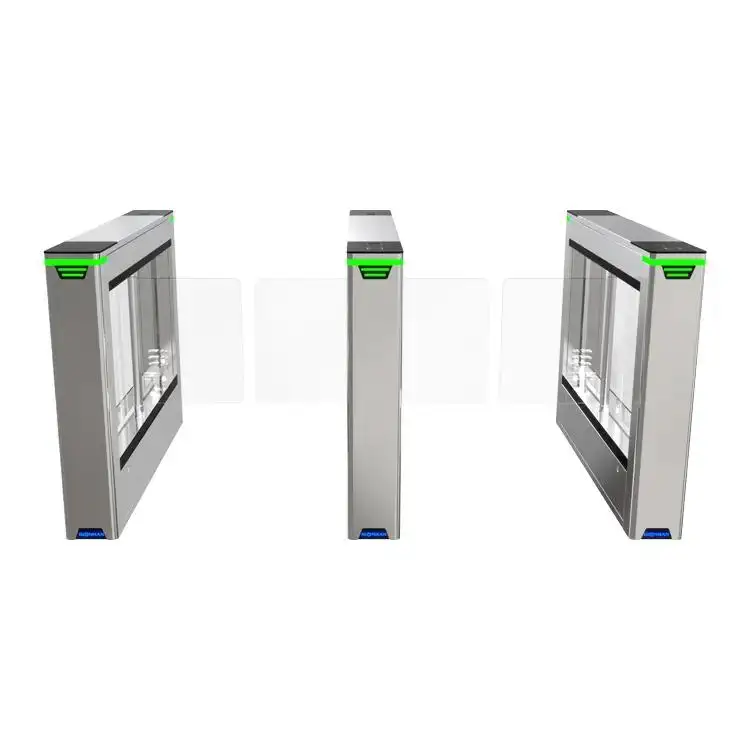
Скоростные элементы обеспечивают большую пропускную способность, сохраняя при этом оптическое обнаружение и полную совместимость с двойным считывателем. TheТурникет Smart Speed Gate подходит для премиальных сред, где внешний вид имеет значение наряду с соблюдением APB — лобби финансовых офисов, VIP-зоны входа, и штаб-квартиры корпораций с большим трафиком.
Оптический скоростной гейт
Для объектов, где основным драйвером является скорость пропускной способности, темОптический скоростной затвор обеспечивает более высокую скорость прохода, при этом поддерживая полную конфигурацию считывателя входа-выхода для отслеживания APB. Он отлично сочетается с облачными платформами контроля доступа, управляющими зданиями с несколькими входами.
Турникет распознавания лиц
Биометрические учетные данные устраняют коренную причину мошенничества с обратной связью: Ты не можешь физически отдать своё лицо другому человеку. TheТурникет распознавания лиц по-прежнему пользуется логикой APB на уровне программного обеспечения — особенно для отслеживания состояния зон, Регистрация заселения, и следы аудита соответствия. Ironman'sПроизводитель турникетов для распознавания лиц страница охватывает все конфигурации биометрических затворов, доступных для развертывания с поддержкой APB.
Противоподъёмные поворотные барьерные ворота
Для открытых точек входа по периметру, где мошенничество с учётными данными сочетается с риском физического взлома, темПротивоподъёмные поворотные барьерные ворота добавляет структурное сдерживание поверх контроля данных APB — охватывая как программные, так и физические векторы угроз в одной точке доступа.
Когда действительно нужен турникет против обратного пасса??
APB — не подходящее решение для каждого учреждения. Вот прямая система принятия решений, основанная на реальном профиле риска.
Вашему объекту нужен турникет против обратного прохода, если:
- Обмен удостоверениями — это известный или реалистичный риск — сотрудники используют RFID-карты, Повторное использование пропусков для посетителей, или произошёл мошенничество с билетами
- Вам нужны точные данные о заселенности в реальном времени — соблюдение требований пожарной безопасности, Требования к страхованию, или управление площадкой с контролем вместимости
- Вы работаете в регулируемой среде — дата-центрах, Медицинские учреждения, Финансовые отделы, Правительственные здания — где каждое событие входа должно быть приписано конкретному подтверждённому лицу
- На вашем сайте есть несколько защищённых зон, и требуется последовательность доступа к зонам (площадь или вложенный APB)
Возможно, вам не понадобится турникет против обратного прохода, если:
- Ваш сайт работает с единственной записью, Среда с низким уровнем безопасности, где обмен учетными данными не несёт значимого риска
- Ваша главная проблема безопасности — это физическое tailgating, а не мошенничество с учётными данными — антиtailgating сенсорное оборудование напрямую решает эту угрозу
- Оперативный поток настолько высок, что жёсткий APB создаёт трение, которое перевешивает выгоду безопасности — мягкий или таймерный APB решает эту проблему
Для проектов, охватывающих несколько площадок или требующих конфигураций массовых ворот с встроенным APB, темОптовые ворота турникета страница охватывает ценообразование и поддержку конфигурации для корпоративных развертываний.
Распространённые ошибки при настройке анти-пасса на турникете
Установка только одного считывателя на каждый гейт. Анти-пассбэк не может работать без одновременно считывателя входа и выхода. Многие стандартные турникеты по умолчанию поставляются с одним считывателем. Убедитесь, что оборудование с двумя считывателями уже есть в заказе до доставки — установка второго считывателя после установки добавляет ненужные расходы и простои.
Выбор жёсткой APB без процесса сброса учетных данных. Режим сложного режима — правильный выбор для зон с высокой безопасностью, но это создаёт "Застрял внутри" Удостоверение указывается каждый раз, когда кто-то выходит, не свайпав вперёд. Аварийные выходы, Пожарные учения, Силовые события, И подпертые двери вызывают это. Создайте задокументированный процесс сброса и назначите, кто этим занимается до запуска системы..
Рассматривая APB как полноценное решение для безопасности. Anti passback прекращает совместное использование учетных данных на уровне программного обеспечения. Это никак не мешает второму человеку пройти через открытые ворота за уполномоченным пользователем. Для полной безопасности точки входа, Обнаружение датчиков против хвоста должно работать параллельно с APB на том же аппаратном обеспечении затвора.
Пропуск тестирования функций APB при вводе в эксплуатацию. Нарушения APB легко воспроизвести — свайпите по учетной записи, Затем сразу же снова свайпнуть. Проведите этот тест на каждом ридере во время ввода в эксплуатацию. Подтвердите, что контроллер фиксирует нарушение, Активирует тревогу, и держит ворота запертыми. Поймать неправильно настроенный контроллер во время настройки ничего не стоит. Обнаружить его после инцидента с безопасностью — это совсем другой исход.
Часто задаваемые вопросы: Анти-проходные турникеты
Что такое турникет против обратного прохода?
AnТурникет против обратного прохода — это система затворов, которая обеспечивает строгую последовательность входа-выхода учетных данных. После того как удостоверение удостоверения используется для входа в зону, Он не может быть использован для повторного входа, пока система не зафиксирует выходной свайп для того же удостоверения. Это предотвращает обмен учётными данными — когда одна карта возвращается другому человеку для несанкционированного доступа. Когда предпринимается попытка нарушения, Ворота остаются запертыми, и система запускает оповещение администраторов в реальном времени.
Как работает анти-проходящая система на воротах турникета?
Система требует считывателя учетных данных на входной стороне и считывателя на выходе ворот. Панель контроля доступа фиксирует каждый входящий и выходной свайп по каждой учетной записи. Он отслеживает текущее состояние каждого удостоверения — "внутри" или "Снаружи." Если удостоверение отмечено "внутри" показывается снова на считывателе входа без зафиксированного выхода, Контроллер отклоняет запрос, держит ворота закрытыми, и фиксирует событие нарушения.
Какие существуют различные типы анти-пассбэка?
Четыре основных режима APB — это жёсткий анти-пассбэк (Строгое отрицание нарушения, Без исключений), Мягкий антипассбэк (Вход разрешён, но нарушение зарегистрировано и уведомлено), Таймерный анти-пассбек (Учетные данные автоматически сбрасываются после определённого временного окна), а также вложенный или вложенный антипасс-обратный процесс (Для получения доступа к более глубоким охраняемым зонам требуется секвенирование зон). Большинство панелей контроля доступа поддерживают все четыре режима с настраиваемыми настройками для каждой зоны.
В чём разница между anti-passback и anti-tailgating?
Anti-passback — это программное управление, которое предотвращает использование одного учетного дака дважды для последовательных записей. Ворота закрываются, когда происходит попытка нарушения. Антитейлгейтинг — это аппаратное управление, которое обнаруживает второго человека, проходящего через открытые ворота, после действительного свайпа учетных данных. Обе функции направлены на несанкционированный доступ, но нацелены на совершенно разные методы взлома и должны использоваться вместе для полного покрытия.
Работает ли турникет против обратной передачи с биометрическими учетными данными??
Да, а биометрические считыватели — самый сильный тип удостоверений для развертывания APB из-за физической "Возвращая назад" Проблема полностью исчезает — лицо или отпечаток пальца нельзя передать другому человеку. Логика против обратной передачи по-прежнему добавляет пользу биометрии, поддерживая отслеживание состояния зоны и создавая полный аудит входа-выхода для целей соблюдения требований и мониторинга заполнения.
